Exhibition
Leica Oskar Barnack Award 2026
09.10.2026 – 18.02.2027
Once again this year, this globally renowned photography prize will make an exciting and important statement about the role and significance of contemporary photography through the presentation of current photo series, and will honor selected photo series by international photographers. This year marks the 46th edition of the LOBA.
As in previous years, more than 130 photography experts from 48 countries submitted their nominations in 2026. Based on their personal expertise and experience, the nominators selected up to three photo series, each comprising 15 to 20 images. To be eligible for nomination for the Leica Oskar Barnack Award, the photographs must be documentary or conceptual-artistic works that explore the relationship between humans and their environment. This humanistic focus has been a constant feature of the LOBA since its inception in 1979. That year, Oskar Barnack—the competition’s namesake and developer of the original Leica—would have turned 100.
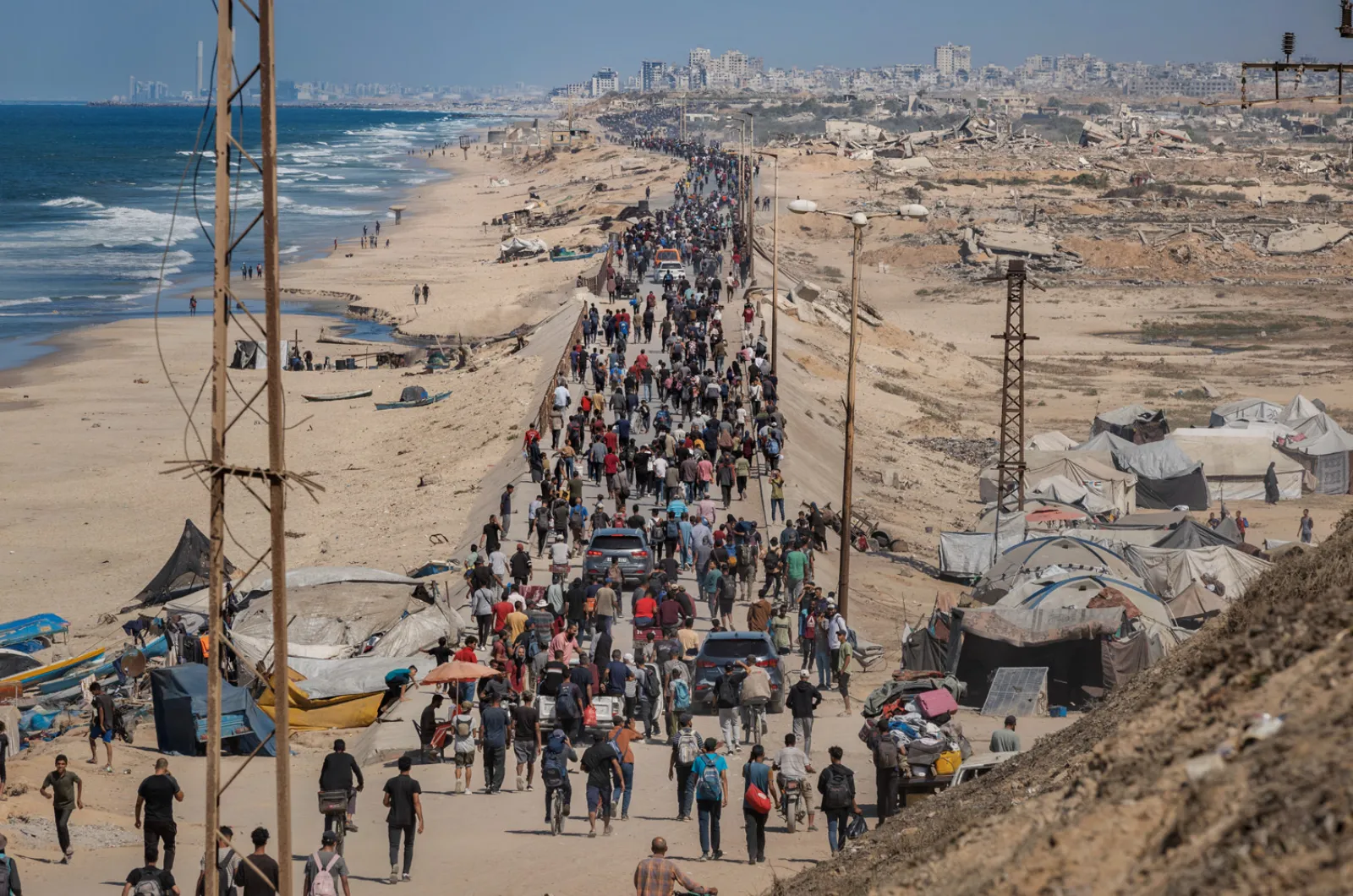
Since the beginning of the war in Gaza, Israel has been denying international journalists access to the area. This makes the testimony of Palestinian journalists all the more important. In his series, Alghorra (born 1997) has documented the year 2025, in all its complexity: from shortages and famine to violence and loss – scenes that produce international headlines, alongside interpersonal moments that find no interest from news agencies.
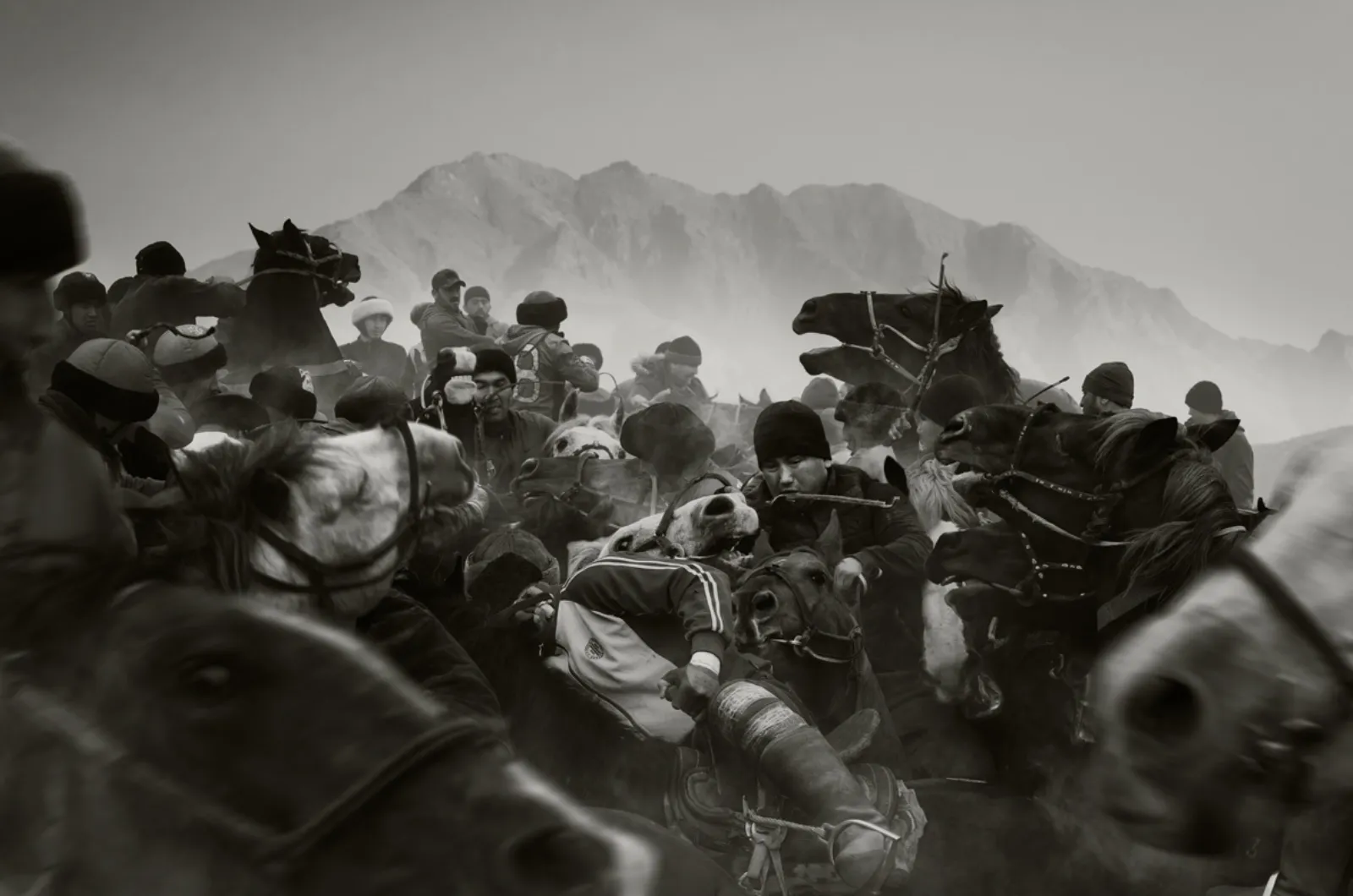
In his dramatic black and white series, the New Zealand photographer (born 1975) documents the archaic, traditional sport referred to in the title, which is still played in Tajikistan to this day. The literal translation of the Persian word, buzkashi, is “goat pulling”; and the game centres around a fight over the headless corpse of a goat. The sport originated amongst the nomadic equestrian cultures of Central Asia, and to this day strength and horsemanship remain defining characteristics of the players involved.
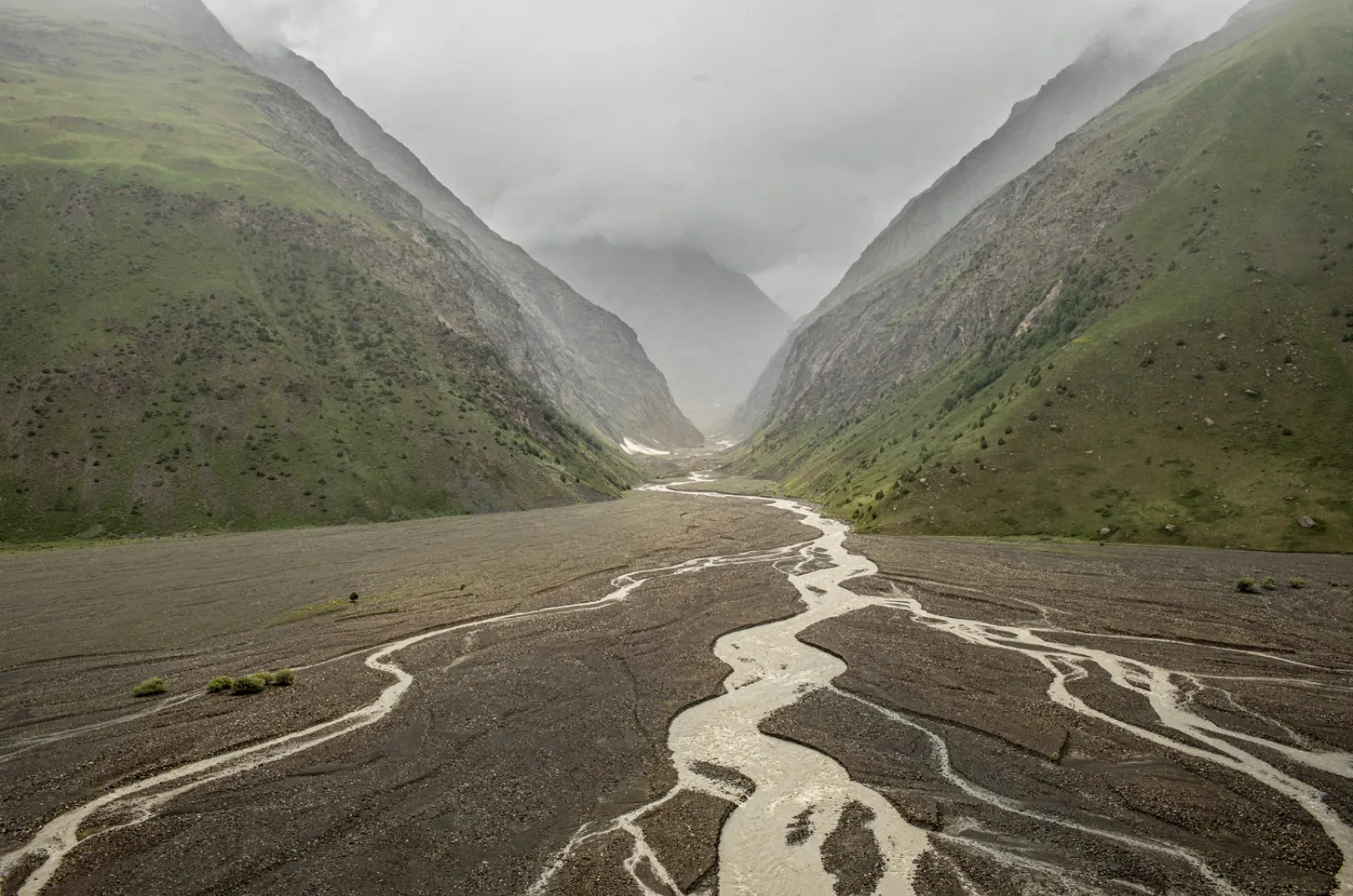
There was a time when the Aral Sea was the fourth largest inland body of water in the world; today, due to Soviet irrigation projects, it has shrunk by over 90 percent. In her series, the Armenian photographer (born 1983) documents not only the environmental crisis, but also reveals how communities in Uzbekistan and Kazakhstan have adapted in order to survive. They breed camels, harvest brine shrimps, keep bees, and fish in the northern part of the Aral Sea, revitalised following the construction of the Kokaral Dam.
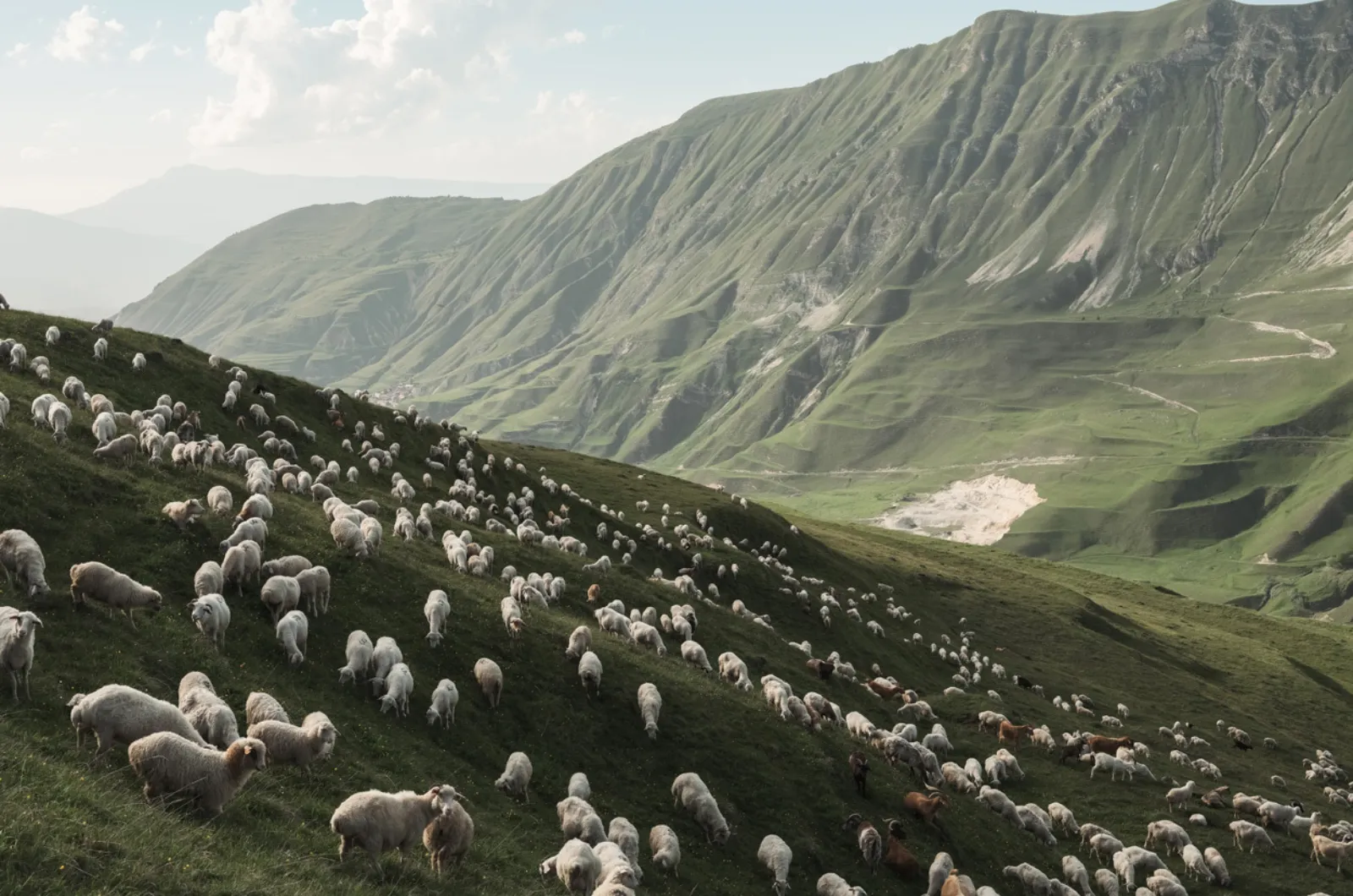
The Russian photographer (born 1986) draws attention to the nature and living conditions in the mountains of Dagestan, which lie in the North Caucasus in the south of Russia. His pictures reveal the precarious and delicate balance between nature and the people living there. Faizulin documents the changes currently taking place: the advent of tourism and modern architecture, and the neglect of established structures and culture; whilst, at the same time, celebrating the beauty of the region.
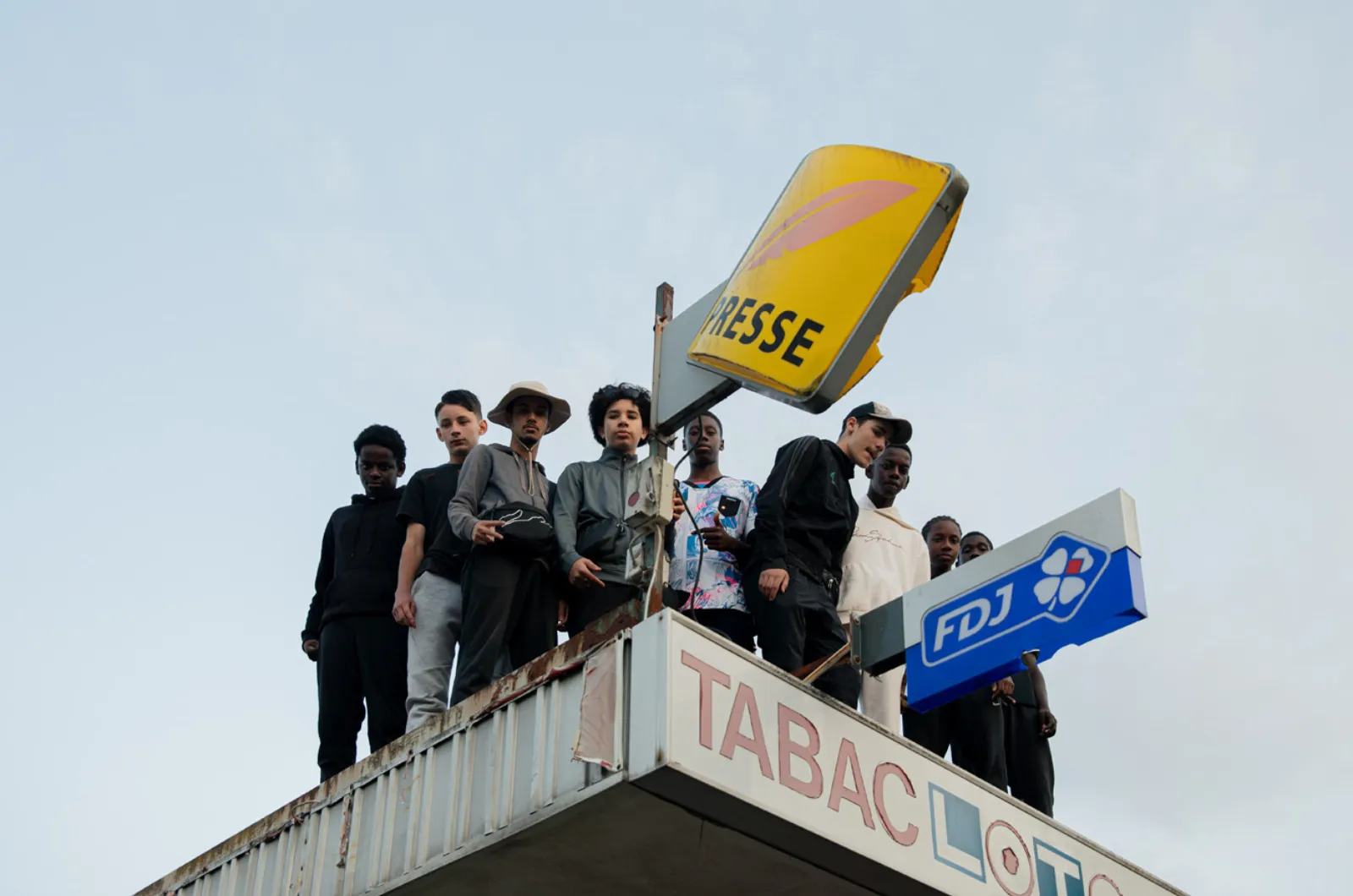
A glimpse at France today: youths in the banlieues (suburbs) are at the centre of the French photographer’s series. The suburbs are characterised by social unrest, the aftermath of the economic crisis, and the housing policies of the 1960s and 1970s; yet, at the same time, they are centres of creativity and political innovation. Keo (born 1996) shares a portrait of a changing, post-colonial France, in which the country’s social, cultural and political future hangs in the balance.
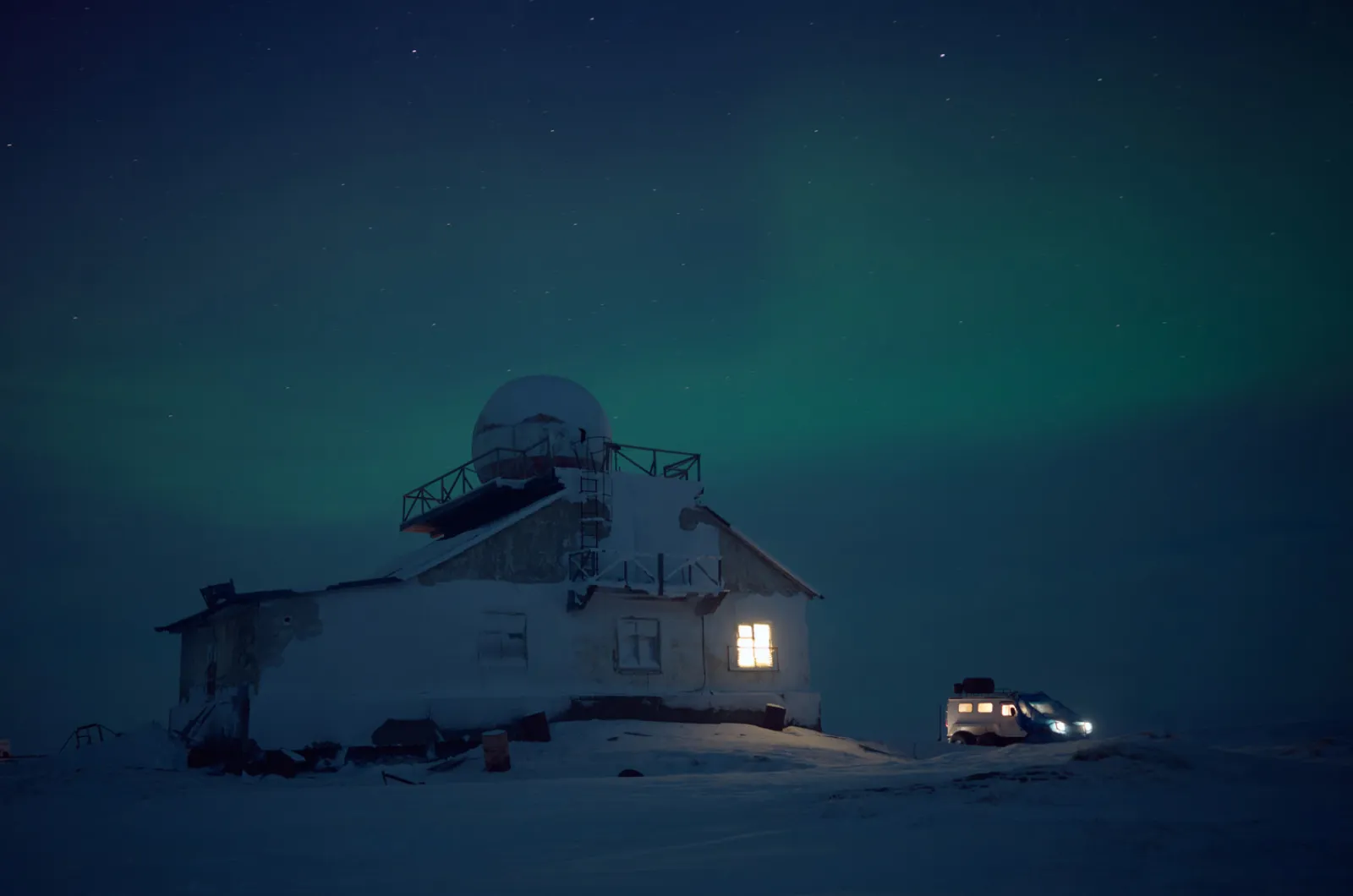
The Nizhnekolymsk district in the Arctic region of Yakutia is defined by distance – in terms of geography, time and infrastructure. The communities in the far north-eastern reaches of Russia “remain part of a single fragile system connected by people, memory, and the necessity of survival,” as the Russian photographer (born 1989) explains. In his series, Lyu-fa shows a diversity of places where people – whether fishermen or researchers – are affected by climate and economic changes.
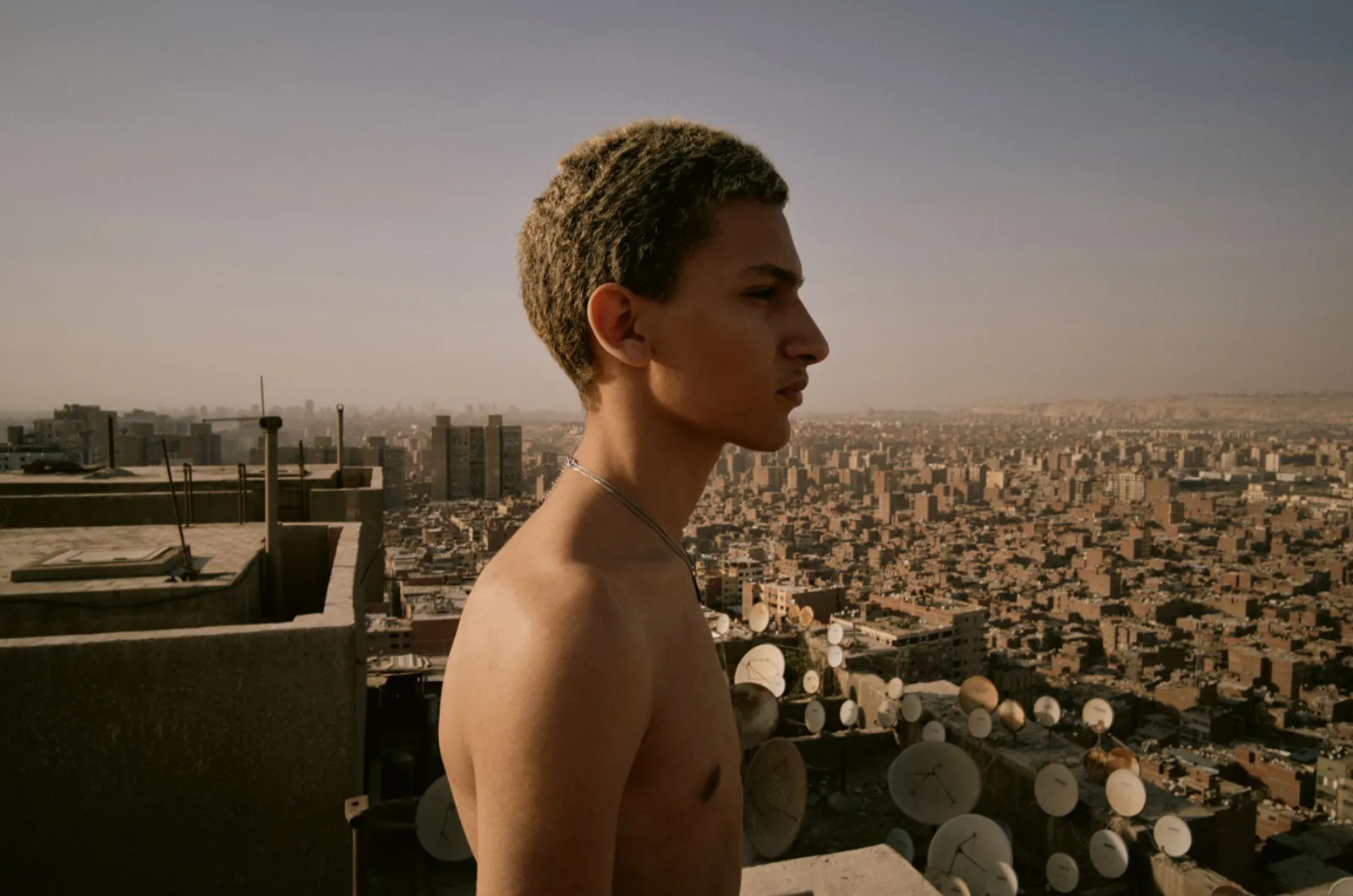
In his series, the Czech photographer (born 1982) presents his personal perspective of the Egyptian capital, and the radical changes taking place there. His aim is to capture everyday life in its most authentic form. “I wanted to document the last generation still living in this raw, unpolished reality,” Renč explains. “Today, among dust and stone, I wanted to preserve an atmosphere that will soon vanish as Cairo transforms beyond recognition.”
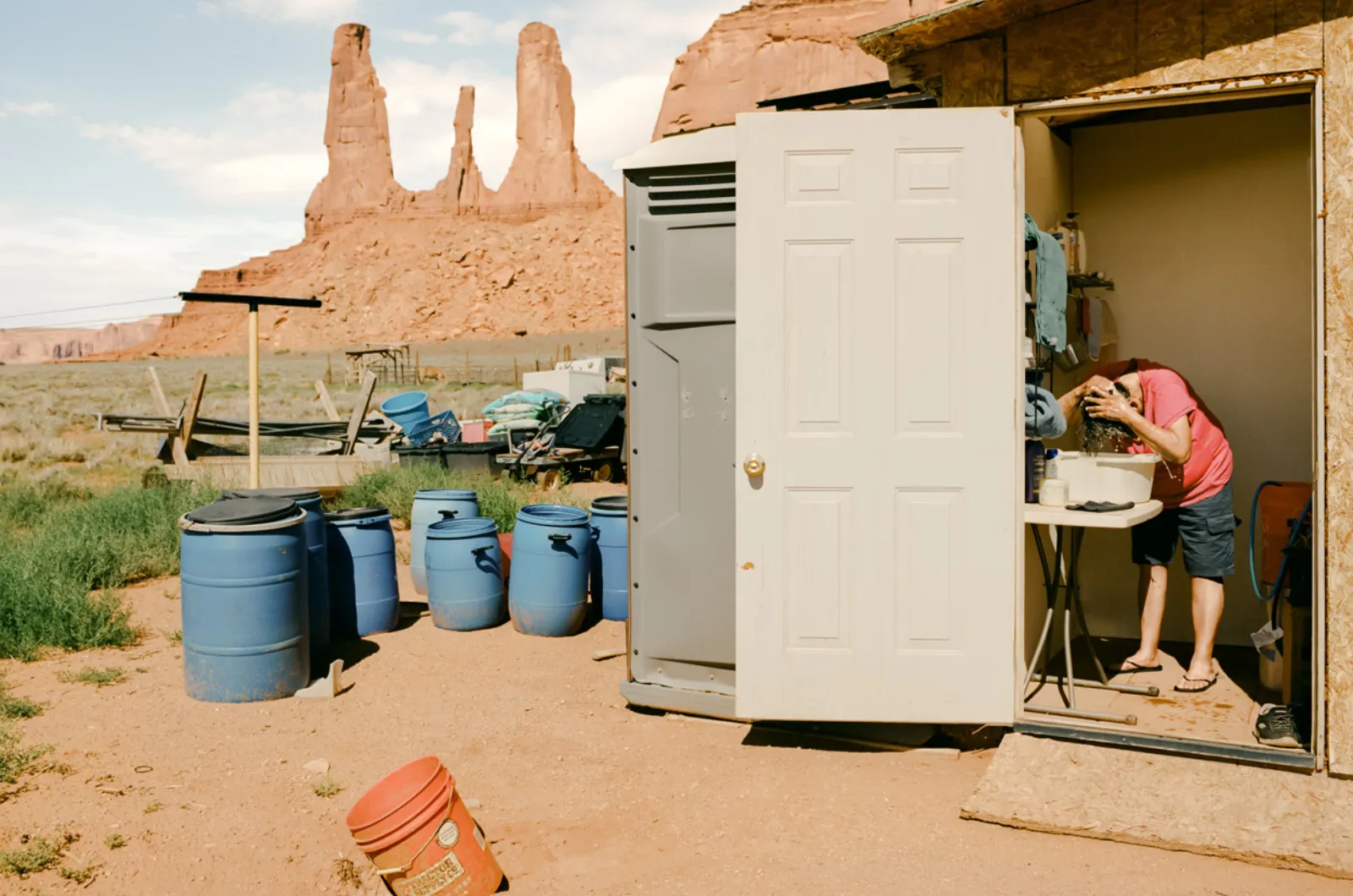
For the Navajo Nation – the largest Native American reservation in the USA – water is not something that can be taken for granted. Whilst the American Southwest is experiencing its worst drought ever, the Taiwanese-American photographer (born 1990) sheds light on the story of a water supply system divided along ethnic lines: in Washington County, Utah, affluent communities consume excessive amounts of water per person; in Navajo communities, there is a lack of the water needed for basic living.
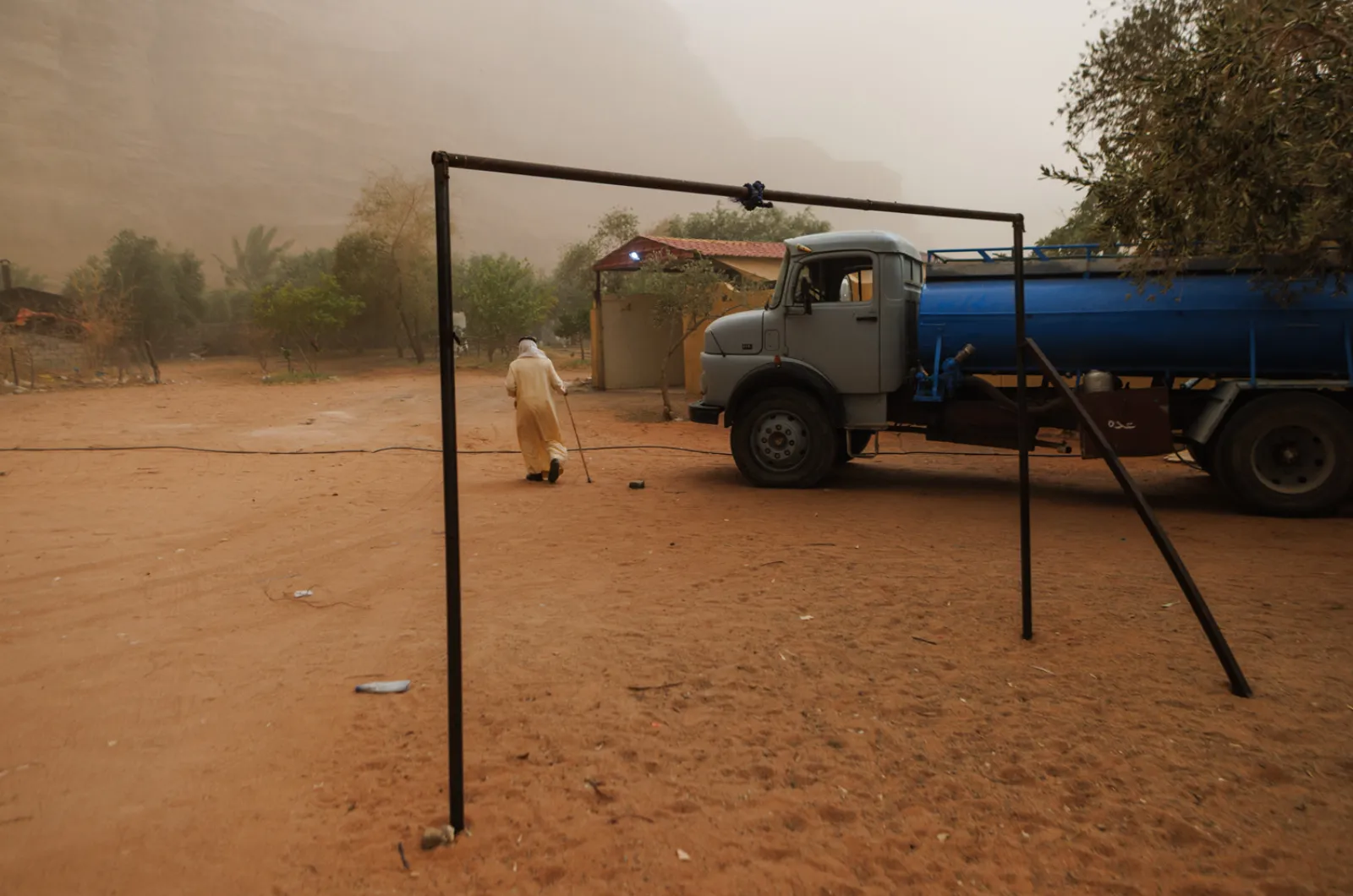
In Jordan, water is not only a physical resource; it also represents memory – embodied in stone, earth and song. “What started as a curiosity about a resource,” Palestinian-Jordanian photographer Sakkab (born 1969) remembers, “became a deeper excavation of my own history and heritage, a search for roots in a land shaped by centuries of change and deprivation. This is not merely a study of water; it is a story about people.”
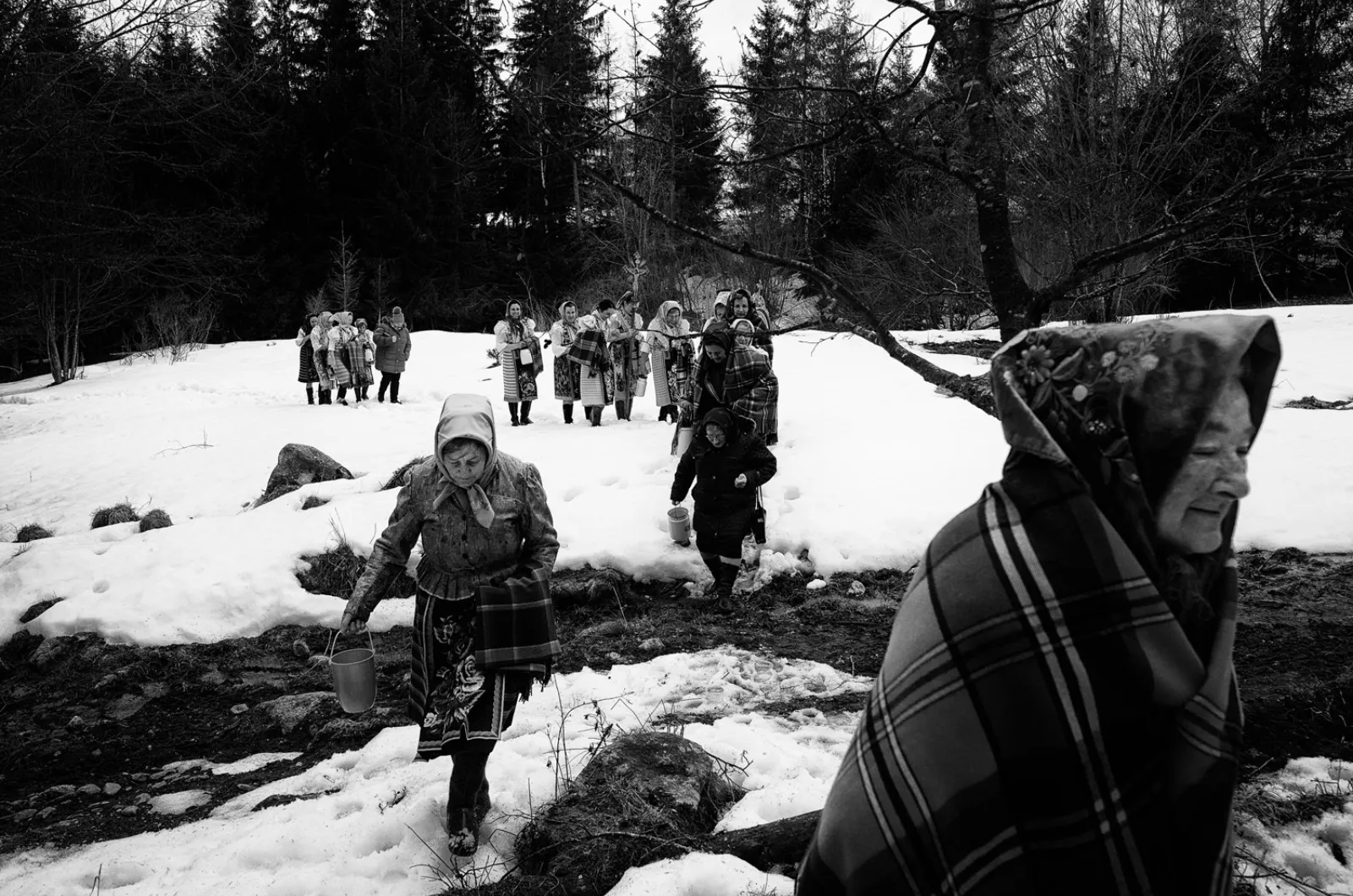
Born in the former Czechoslovakia and living in Great Britain and Ireland, Sládek (born 1976) found a second home, almost twenty years ago, in the small mountain village of Šumiac in Slovakia. Since then, the photographer has been documenting the everyday lives and traditions of the people living there. Sládek sees his black and white series as a type of bridge between two groups – the locals, and the severely marginalised Roma – who are divided by more than just a stream.
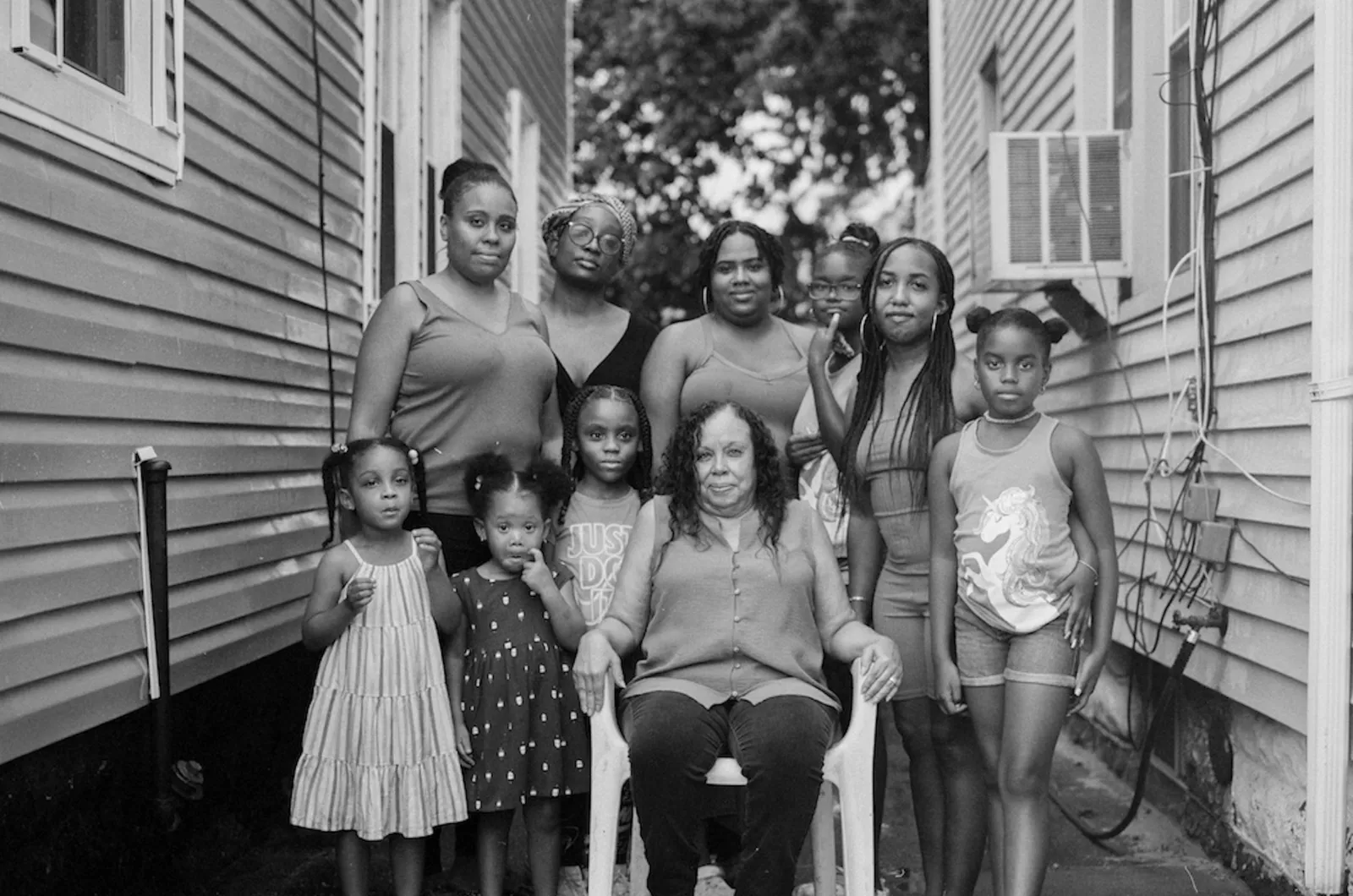
Inspired by a longing for the remembrance of her ancestors, the American photographer’s (born 2001) series explores contemporary queer family relationships and the enduring legacy of strong, self-assured Black women. The series’ focus is on the lifestyle created for themselves by Stevens’s two sisters and four nieces, who moved from Queens, New York, to share a house on a plot of land in Clayton, North Carolina.
Ernst Leitz Museum
Opening hours
Monday – Sunday von 10:00 bis 18:00 Uhr
Prices

